Preparing Your Data Center for Monsoon Season in Maricopa County


Understanding the Impact of Monsoon Season
Monsoon season in Maricopa County can bring unexpected challenges for data centers. With heavy rains and potential flooding, it's crucial to ensure that your data center is well-prepared to handle these environmental conditions. Failure to do so can lead to costly downtime and damage to sensitive equipment.
Monsoon season typically occurs from June to September, bringing intense storms and flash floods. These conditions can disrupt power supplies and cause physical damage to infrastructure. By taking proactive measures, you can safeguard your data center against these risks.

Assessing Vulnerabilities
Begin by conducting a comprehensive assessment of your data center’s vulnerabilities. Identify areas prone to water intrusion and ensure that your facility’s drainage systems are functioning properly. Regular maintenance of these systems can prevent water accumulation that could lead to flooding.
It’s also important to evaluate the structural integrity of your building. Check for any signs of wear and tear that might be exacerbated by heavy rains. Reinforcing weak spots can prevent potentially catastrophic failures during a storm.
Strengthening Power Systems
Reliable power is essential during monsoon season. Ensure that your backup generators and uninterruptible power supplies (UPS) are in optimal condition. Regular testing and maintenance can prevent unexpected outages during severe weather.
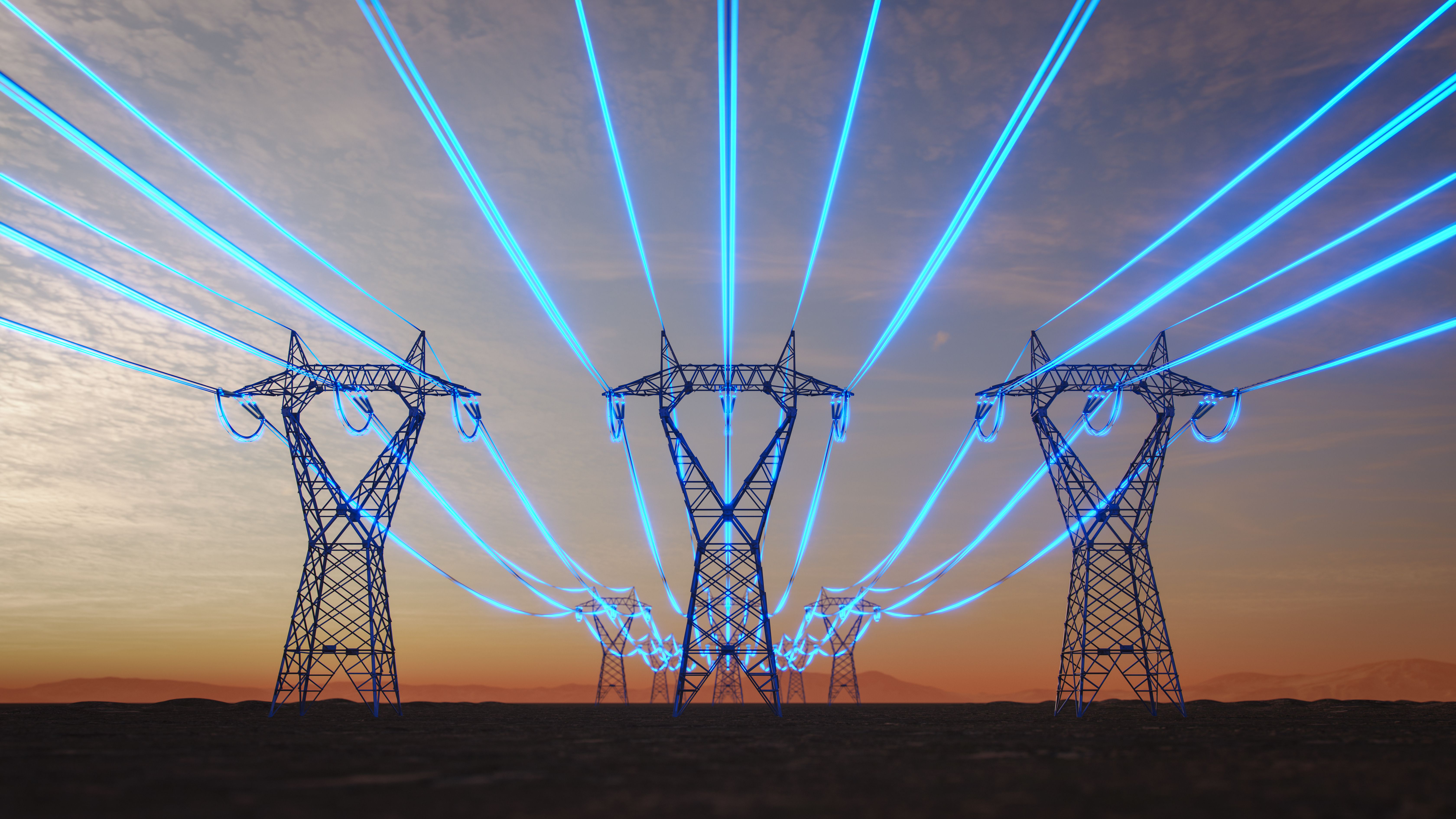
Consider investing in surge protection systems to safeguard against power surges caused by lightning strikes. These systems can prevent damage to critical equipment and ensure continuous operation.
Enhancing Cooling Systems
Monsoon season can bring high humidity, which may affect your data center’s cooling systems. Regularly inspect and maintain HVAC systems to ensure they can handle increased moisture levels.
Installing humidity control solutions can help maintain optimal environmental conditions within your data center, protecting equipment from moisture-related issues.

Implementing a Disaster Recovery Plan
A well-prepared disaster recovery plan is crucial for minimizing downtime during monsoon season. Ensure that your plan is up-to-date and includes specific procedures for handling weather-related disruptions.
Conduct regular drills with your team to ensure everyone is familiar with the plan. This preparedness can greatly reduce response time and mitigate potential impacts.
Communication and Coordination
Effective communication is key during a crisis. Establish clear lines of communication with local emergency services and utility providers. This coordination can provide timely updates and support during severe weather events.

Additionally, keep all stakeholders informed about your data center’s status and any necessary precautions they should take. Transparent communication fosters trust and ensures everyone is on the same page.
Review and Learn
After each monsoon season, review your data center’s performance and identify areas for improvement. Analyze what worked well and what could be enhanced to better prepare for future seasons.
By continuously refining your strategies, you can build a resilient data center capable of withstanding the unique challenges posed by monsoon season in Maricopa County.